Written by David Platt
Summary:
Your body depends on a vast network of tiny blood vessels to deliver oxygen and nutrients to tissues and carry away waste products. These small vessels, which include arterioles and capillaries, play an important role in keeping organs functioning properly.
Microvascular disease refers to problems involving these small blood vessels. Depending on the underlying cause and where the vessels are affected, microvascular changes can involve the brain, heart, kidneys, eyes, and other tissues.
The term does not describe one specific disease. Instead, it can refer to different types of small-vessel abnormalities, including narrowing, stiffening, damage, or impaired blood-vessel function. Some forms may cause noticeable symptoms, while others may be discovered incidentally during medical testing.
Understanding what microvascular disease means, what causes it, and how it can affect the body can help put imaging findings and cardiovascular risk factors into perspective.
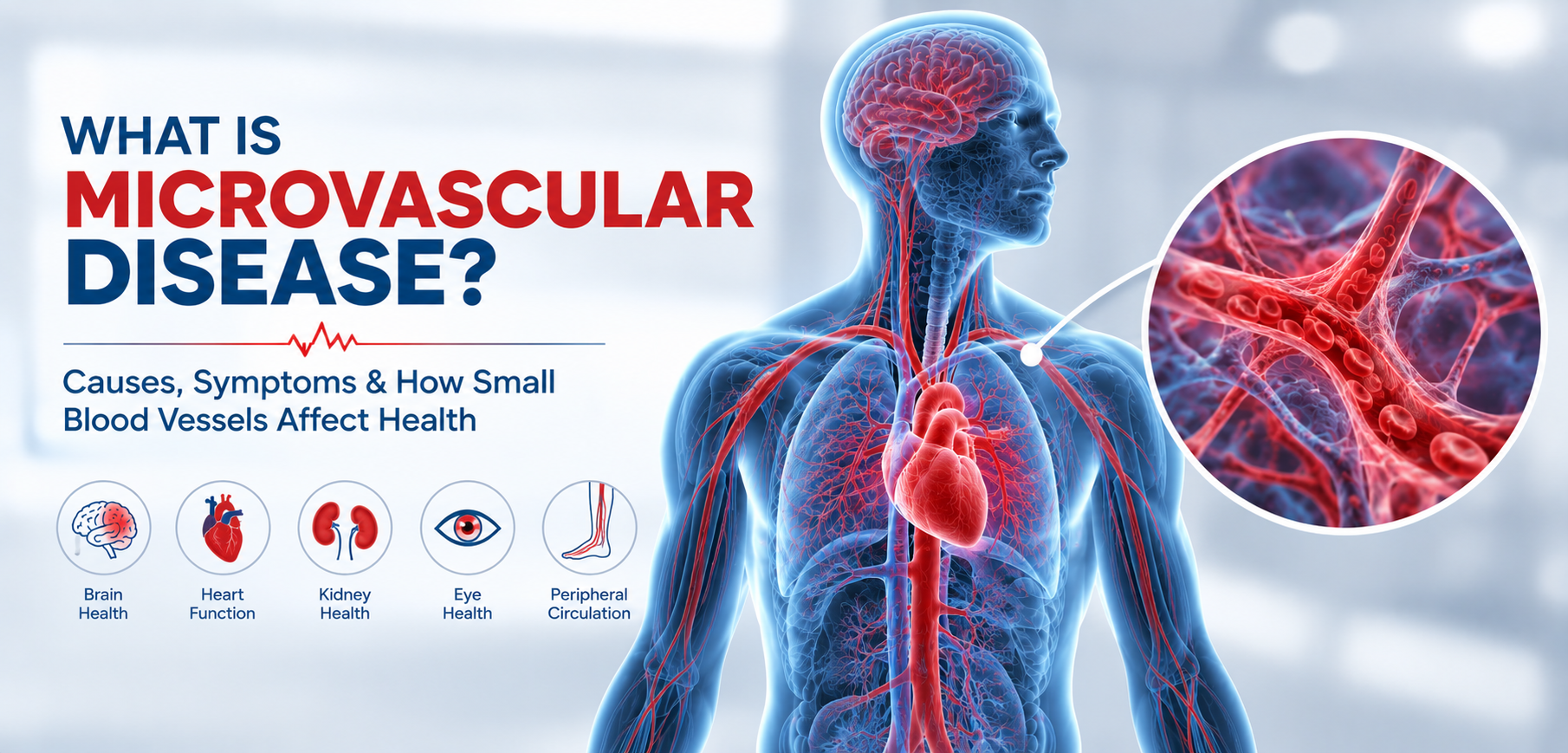
Microvascular disease involves abnormalities in the body's smallest blood vessels. These include small arteries, arterioles, capillaries, and related vessels that help regulate blood flow to individual tissues and organs.
Unlike larger arteries, which carry substantial amounts of blood over longer distances, microvessels control blood flow at the tissue level. They help ensure that cells receive enough oxygen and nutrients to function.
When these vessels become damaged, narrowed, stiff, or less responsive, blood flow can become impaired. In some cases, this may reduce oxygen delivery to tissues. The effects depend largely on which organ is affected.
For example, changes in the small vessels of the brain may be described as cerebral small-vessel disease or chronic microvascular changes. In the heart, problems involving the small coronary vessels may contribute to coronary microvascular dysfunction. Similar abnormalities can affect the kidneys, eyes, and peripheral tissues.
This is why chronic microvascular disease should not automatically be interpreted as one particular condition or as evidence of severe disease. Doctors consider the location, extent, cause, symptoms, and other health conditions when determining its significance.
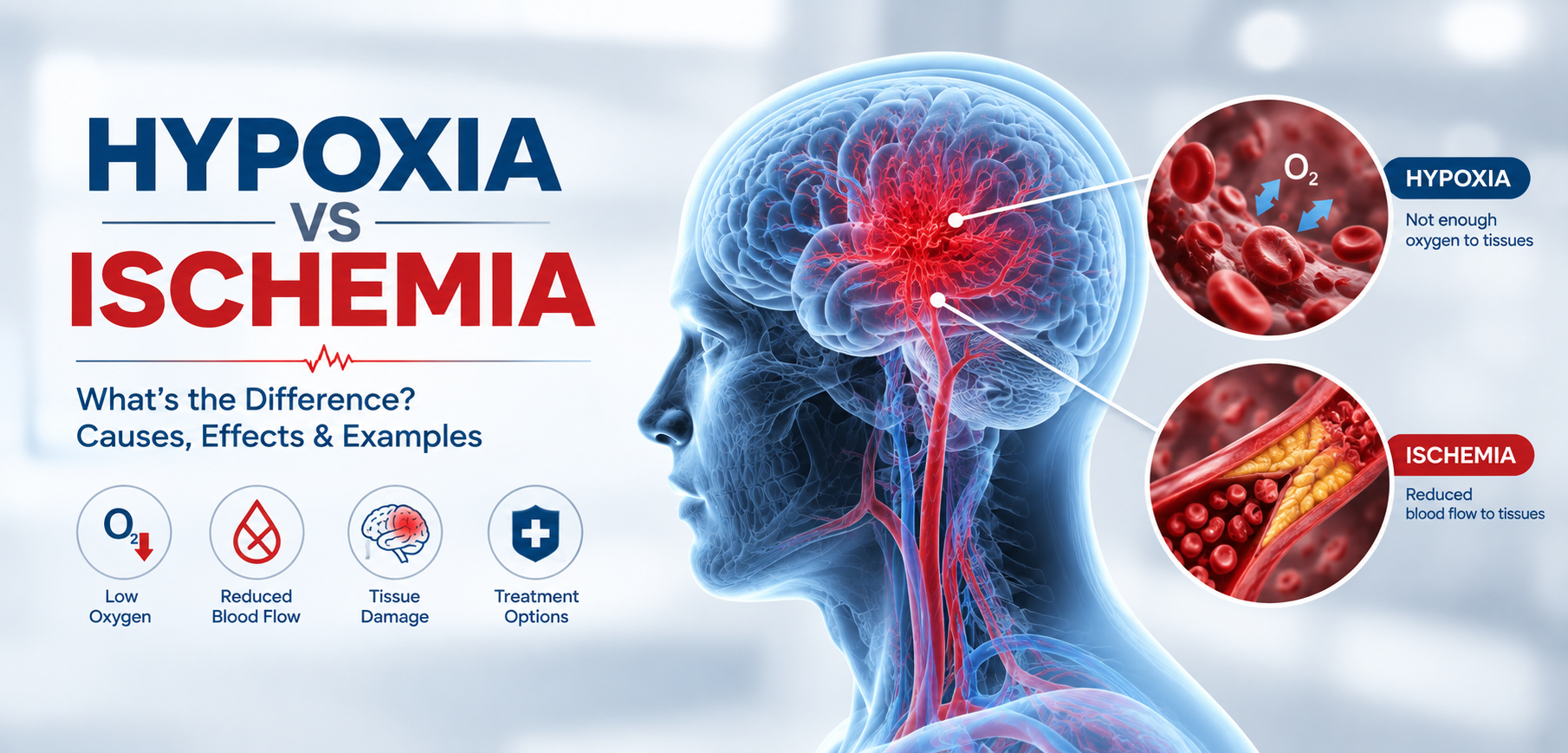
Microvascular ischemic disease refers to small-vessel abnormalities associated with reduced blood flow or inadequate oxygen delivery to tissue.
The word ischemic means that a tissue is not receiving enough blood flow to meet its needs. When small blood vessels become narrowed or damaged, circulation at the tissue level can be affected.
Microvascular disease and microvascular ischemic disease are related terms, but they are not necessarily interchangeable. Microvascular disease broadly describes abnormalities of small blood vessels, while the term ischemic emphasizes impaired blood supply or oxygen delivery.
The phrase chronic microvascular ischemic disease is often used when small-vessel changes develop gradually over time. This terminology is particularly common in reports describing changes in the brain seen on MRI or CT scans.
Importantly, the presence of chronic microvascular ischemic changes does not automatically mean that a person has severe or life-threatening disease. The significance depends on the extent of the changes, symptoms, age, medical history, and underlying vascular risk factors.
Microvascular disease can have different causes depending on the organ involved. However, several long-term conditions and lifestyle factors can increase the risk of small-vessel damage.
Important risk factors include:
Long-term exposure to vascular risk factors can place repeated stress on small blood vessels. Depending on the underlying condition, this may contribute to inflammation, thickening of vessel walls, stiffening, narrowing, or impaired ability of vessels to regulate blood flow.
For example, uncontrolled hypertension can cause changes in the walls of small arteries and arterioles. Diabetes can affect the structure and function of small blood vessels and interfere with normal circulation.
The specific mechanism varies according to the affected organ. Therefore, understanding the underlying cause is an important part of evaluating microvascular disease.
There is no single set of microvascular disease symptoms because the condition can affect different organs.
Some people may have no noticeable symptoms, particularly when changes are mild or discovered incidentally during imaging. Others may develop symptoms related to the organ involved.
Possible symptoms can include:
These symptoms are nonspecific and can occur with many other medical conditions. Having one or more of them does not establish a diagnosis of microvascular disease.
Anyone experiencing new, severe, or sudden neurological symptoms, significant chest pain, difficulty breathing, or sudden vision changes should seek prompt medical attention.
One of the more common contexts in which people encounter the term chronic microvascular ischemic disease is a brain imaging report.
Doctors may use terms such as chronic microvascular ischemic changes, chronic small-vessel ischemic changes, or cerebral small-vessel disease to describe changes observed on MRI or CT scans.
These findings may reflect changes that have developed gradually in the small blood vessels supplying the brain. Imaging may show areas of white-matter change or other findings associated with long-term small-vessel disease.
Several factors are commonly associated with these changes, including:
The severity can vary considerably. Some people may have mild changes with no obvious symptoms, while more extensive small-vessel disease may be associated with problems involving cognition, walking, balance, or stroke risk.
An imaging finding should therefore be interpreted in context. Doctors typically consider the person's symptoms, medical history, neurological examination, vascular risk factors, and other test results rather than relying on the scan alone.
So, is chronic microvascular ischemic disease normal?
The answer is more nuanced than simply yes or no.
Mild chronic microvascular changes become increasingly common with age, and they may be found in people who have no obvious neurological symptoms. However, being common does not necessarily mean that the finding should be ignored.
Microvascular changes can sometimes indicate the cumulative effects of vascular risk factors over time. Conditions such as hypertension, diabetes, high cholesterol, and smoking can contribute to small-vessel damage.
If an imaging report mentions chronic microvascular ischemic changes, it is reasonable to discuss the finding with a healthcare professional. Depending on the individual situation, this may involve reviewing:
The goal is not necessarily to treat an imaging finding itself but to identify and manage factors that may contribute to vascular disease.
Small blood vessels are essential for delivering oxygen and nutrients to tissues. When their function is impaired, circulation and oxygen delivery can be affected.
The effects depend on the location and severity of the disease.
Small-vessel changes in the brain may be associated with white-matter changes on imaging. More extensive cerebral small-vessel disease may be associated with cognitive changes, balance problems, walking difficulties, or an increased risk of stroke.
Problems involving the heart's small coronary vessels can interfere with blood flow to the heart muscle. Some people may experience chest discomfort or shortness of breath, particularly during physical activity.
The kidneys contain an extensive network of small blood vessels that filter the blood. Damage to these vessels can contribute to impaired kidney function, particularly when associated with conditions such as diabetes or high blood pressure.
The retina contains many small blood vessels, making it sensitive to vascular changes. Conditions such as diabetes and hypertension can damage retinal microvasculature and affect vision.
Small-vessel abnormalities can also affect blood flow to peripheral tissues. The resulting effects depend on the underlying condition and the tissues involved.
Overall, chronic microvascular disease can have very different implications from one person to another. The affected organ and underlying cause are important when assessing its potential impact.
People searching for what is life expectancy with microvascular ischemic disease may understandably be concerned after seeing the term on a medical report.
However, there is no single life-expectancy number for people with microvascular ischemic disease.
The outlook varies depending on factors such as:
Mild microvascular changes may have little immediate effect on a person's daily life. On the other hand, extensive small-vessel disease combined with poorly controlled vascular risk factors can be associated with a higher risk of cardiovascular or neurological complications.
Importantly, an imaging finding by itself cannot determine an individual's life expectancy. Prognosis should be assessed by a healthcare professional who can consider the complete clinical picture.
Managing modifiable risk factors is an important part of protecting blood-vessel health and potentially reducing future complications.
There is no single test used to diagnose every form of microvascular disease. Evaluation depends on the suspected organ and underlying cause.
A healthcare professional may consider:
Treatment is generally directed at the underlying cause and the organ affected rather than at the term “microvascular disease” itself.
Management may include:
Blood pressure control: Keeping blood pressure within the recommended range can reduce ongoing stress on blood vessels.
Diabetes management: Maintaining appropriate blood glucose levels can help reduce vascular complications associated with diabetes.
Cholesterol management: Depending on individual risk, clinicians may recommend lifestyle changes and medications to manage cholesterol.
Smoking cessation: Stopping smoking is an important step toward protecting cardiovascular and small-vessel health.
Regular physical activity: Appropriate exercise can support cardiovascular fitness and vascular health.
Healthy diet: A balanced diet emphasizing nutrient-rich foods and appropriate portions can support blood pressure, blood sugar, cholesterol, and overall cardiovascular health.
Treatment of the underlying condition: When microvascular changes are related to another medical disorder, treating that condition is an important part of management.
The appropriate approach depends on each person's health history, symptoms, test results, and risk factors.
Microvascular disease describes changes affecting the body's smallest blood vessels, and its significance can vary considerably depending on the affected organ and underlying cause. Microvascular ischemic disease and chronic microvascular ischemic disease often refer to small-vessel changes associated with reduced blood flow, particularly when discussed in the context of brain imaging.
Although mild chronic changes can become more common with age, they can also provide an opportunity to identify and address vascular risk factors such as high blood pressure, diabetes, high cholesterol, smoking, and physical inactivity.
As researchers continue studying the relationship between small-vessel health, blood flow, and oxygen delivery, new therapeutic approaches are also being investigated. Bioxytran, Inc. is researching oxygen-related therapeutic technologies as part of broader efforts to address conditions in which oxygen delivery may be compromised. These emerging approaches remain under investigation and do not replace established medical evaluation or treatment.
If microvascular changes appear on an imaging report or are associated with symptoms, discussing the findings with a healthcare professional can help determine what they mean in the context of your overall health.
Microvascular disease refers to abnormalities affecting the body's smallest blood vessels, including arterioles and capillaries. It can involve different organs, including the brain, heart, kidneys, and eyes. The causes and effects depend on the type and location of the vascular changes.
Microvascular ischemic disease describes small-vessel abnormalities associated with reduced blood flow or inadequate oxygen delivery to tissue. The term is often used when discussing chronic small-vessel changes, particularly in the brain.
Chronic microvascular ischemic disease generally refers to small-vessel changes that have developed over time. In brain imaging reports, it may describe changes associated with long-term vascular risk factors such as aging, hypertension, diabetes, and other cardiovascular conditions.
Mild chronic microvascular changes become more common with age, but they should not automatically be dismissed as a completely normal part of aging. Their significance depends on their extent, symptoms, medical history, and associated vascular risk factors.
There is no fixed life-expectancy estimate for microvascular ischemic disease. Prognosis depends on the severity and location of the disease, underlying conditions, cardiovascular risk factors, age, and overall health. An imaging finding alone cannot predict an individual's life expectancy.