Written by David Platt
Summary:
Heart disease remains one of the leading causes of death worldwide, and ischemic heart disease is its most common form. Many people don't notice the warning signs until blood flow to the heart has already been reduced for years. What starts as occasional chest discomfort or fatigue can eventually lead to heart attacks, permanent heart damage, or heart failure.
Understanding what is ischemic heart disease is important because early diagnosis gives doctors more opportunities to slow disease progression and protect heart function. In this guide, you'll learn how ischemic heart disease develops, its symptoms, causes, treatment options, and how ongoing research continues to explore new ways to reduce oxygen-related tissue injury.
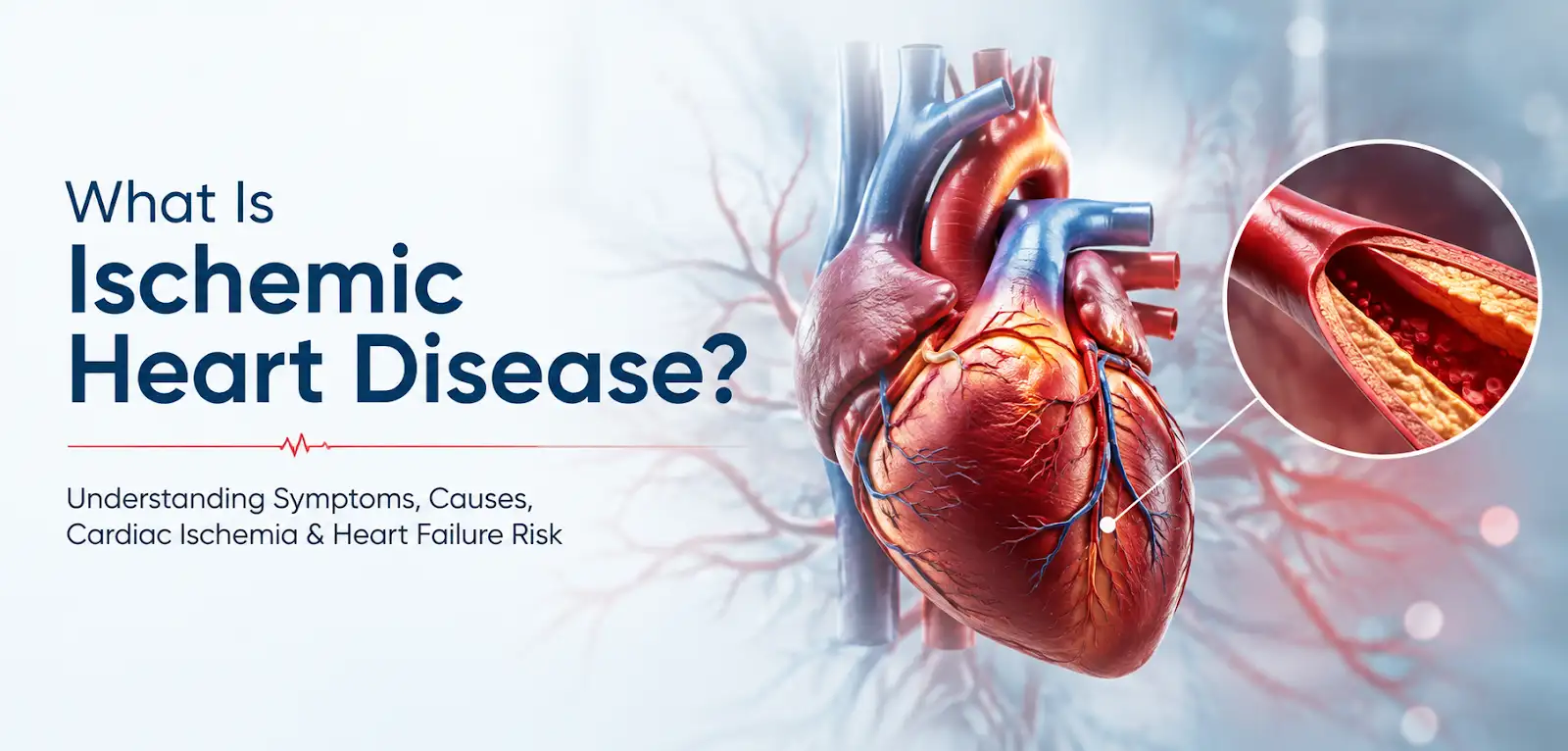
Ischemic heart disease (IHD) occurs when the heart muscle receives less oxygen-rich blood than it needs. This usually happens because the coronary arteries become narrowed or blocked, reducing blood flow to the heart.
The IHD medical abbreviation stands for ischemic heart disease, although many healthcare professionals also refer to it as coronary artery disease (CAD) because both terms often describe the same underlying condition.
Reduced blood flow creates cardiac ischemia, meaning portions of the heart muscle do not receive enough oxygen. Unlike a heart attack, ischemia does not always cause permanent damage immediately. However, repeated or prolonged ischemia can eventually injure the heart muscle and increase the risk of heart attacks and heart failure.
Understanding ischemic heart disease causes begins with knowing how blood reaches the heart.
The most common cause is atherosclerosis, where cholesterol and fatty deposits gradually build up inside the coronary arteries. As these plaques grow, blood flow becomes increasingly restricted, reducing oxygen delivery to the heart muscle.
Several conditions increase the likelihood of developing ischemic heart disease:
In some people, reduced blood flow may result from:
The earliest ischemic heart disease symptoms can be subtle and easy to overlook. Some people experience symptoms only during physical activity, while others may have symptoms even at rest.
Common symptoms include:
Some individuals develop silent ischemia, where blood flow is reduced but noticeable symptoms are absent.
Seek immediate medical attention if symptoms include:
These symptoms could indicate a heart attack.
When the heart repeatedly receives too little oxygen, it gradually becomes weaker. Over time, damaged heart muscle loses its ability to pump blood efficiently throughout the body.
This reduced pumping function may eventually result in ischemic heart failure, one of the most common causes of chronic heart failure worldwide.
The longer ischemic heart disease goes untreated, the greater the risk that permanent heart muscle damage will occur. Early diagnosis and treatment can help preserve heart function and reduce this risk.
Cardiac ischemia simply means the heart muscle is not getting enough oxygen-rich blood.
This lack of oxygen may be temporary, such as during exercise, or persistent if coronary artery disease becomes severe.
Repeated episodes of cardiac ischemia can:
Because oxygen is essential for healthy heart tissue, restoring blood flow remains a major goal of treatment.
Doctors recognize several types of ischemic heart disease, depending on how blood flow is affected.
Chest discomfort that occurs predictably during exercise or emotional stress and improves with rest.
Chest pain that occurs unexpectedly, often at rest, and may signal an impending heart attack.
Reduced blood flow without noticeable symptoms.
Complete or prolonged blockage of a coronary artery causes permanent heart muscle damage.
Chronic ischemic heart disease develops gradually over many years as coronary arteries continue narrowing. Ongoing oxygen deprivation can progressively weaken the heart muscle and increase the risk of long-term complications.
Ischemic cardiomyopathy is an advanced stage of heart damage caused by long-standing coronary artery disease.
As repeated oxygen deprivation injures the heart muscle, the heart enlarges and becomes less efficient at pumping blood. Many patients experience a reduced ejection fraction, meaning each heartbeat pumps less blood than normal.
Because ischemic cardiomyopathy develops slowly, early treatment of coronary artery disease may help delay or reduce progression.
Doctors use several tests to confirm ischemic heart disease and evaluate its severity.
These may include:
Treatment aims to restore blood flow, reduce symptoms, and prevent future complications.
Doctors often recommend:
Common medications include:
Treatment plans vary depending on individual health needs.
Some patients require procedures to improve blood flow, including:
One of the most common questions patients ask is how long can you live with ischemic heart disease.
The answer depends on several factors, including:
Many people live for decades after diagnosis by controlling risk factors, taking medications as prescribed, maintaining healthy habits, and attending regular follow-up appointments.
Although not every case can be prevented, healthy habits greatly reduce risk.
Prevention strategies include:
One of the greatest challenges in ischemic heart disease is protecting heart tissue when oxygen delivery is reduced. Researchers continue studying new ways to minimize damage caused by prolonged oxygen deprivation, known as hypoxia.
Investigational areas include therapies designed to improve oxygen delivery, reduce tissue injury, and support recovery after ischemic events.
Bioxytran, Inc. is exploring investigational oxygen therapeutic technologies designed to study whether improved oxygen transport may help reduce tissue injury associated with hypoxia. These technologies remain in the research stage and are not approved treatments for ischemic heart disease or heart failure.
As scientific understanding of cardiac hypoxia continues to advance, future therapies may complement existing treatments by focusing not only on restoring blood flow but also on protecting oxygen-starved tissues.
Understanding what is ischemic heart disease is the first step toward protecting long-term heart health. Reduced blood flow to the heart often develops gradually, but recognizing symptoms early can prevent severe complications such as heart attacks, ischemic cardiomyopathy, and ischemic heart failure.
Healthy lifestyle choices, appropriate medications, and timely medical care remain the foundation of treatment. At the same time, ongoing research into oxygen therapeutics and tissue protection continues to expand our understanding of how future therapies may improve outcomes for patients living with cardiovascular disease.
Ischemic heart disease is a condition in which narrowed coronary arteries reduce blood flow and oxygen delivery to the heart muscle, increasing the risk of heart attacks and heart failure.
Early symptoms often include chest discomfort, shortness of breath, fatigue, reduced exercise tolerance, and pain that may spread to the arm, jaw, neck, or back.
The most common cause is atherosclerosis, where cholesterol plaques narrow the coronary arteries. High blood pressure, diabetes, smoking, obesity, and high cholesterol all increase risk.
Yes. Repeated oxygen deprivation can weaken the heart muscle over time, eventually leading to ischemic heart failure if left untreated.
Many patients live long, active lives with early diagnosis, appropriate treatment, healthy lifestyle habits, and regular medical monitoring. Survival varies depending on disease severity and overall health.