Written by David Platt
Summary:
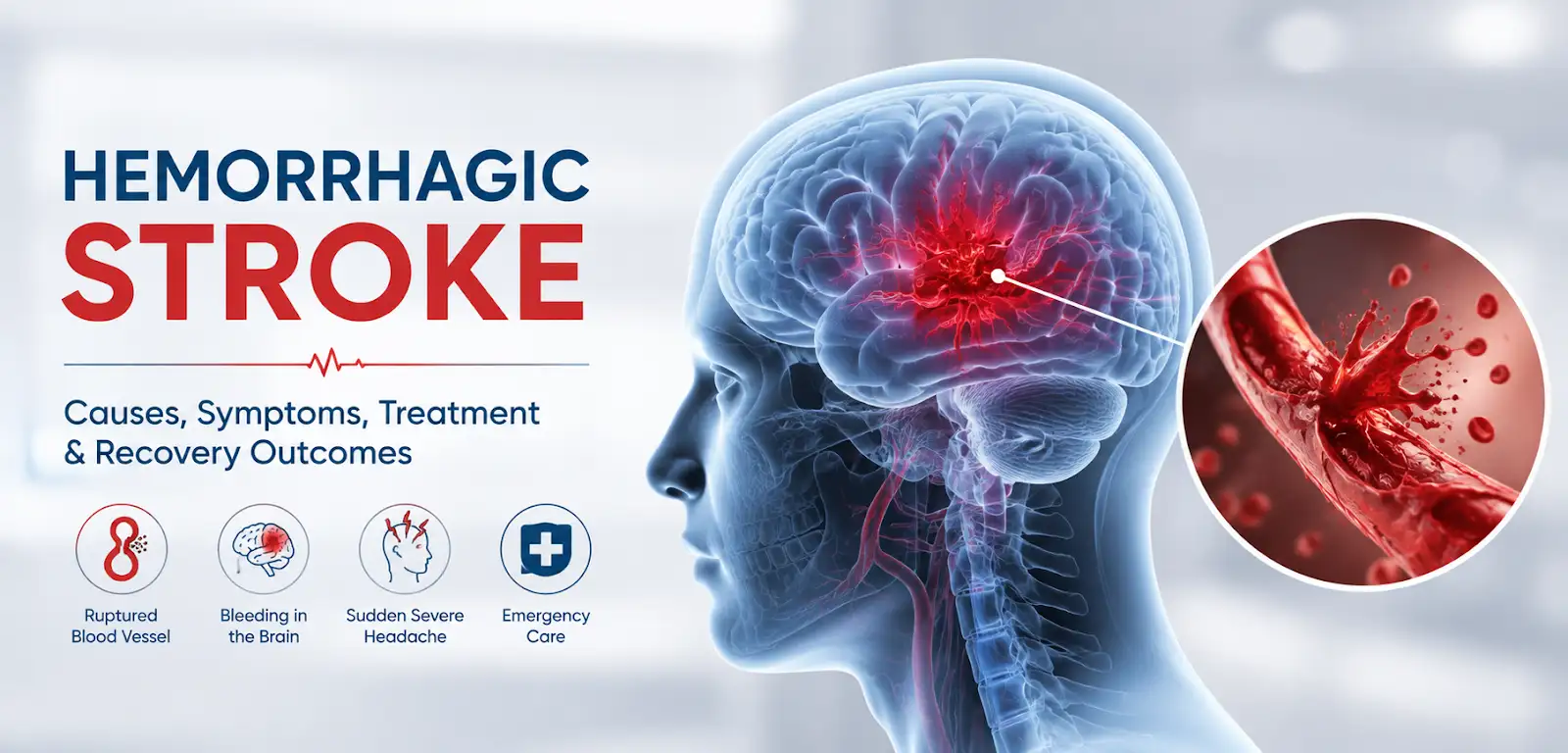
A hemorrhagic stroke occurs when a weakened blood vessel in the brain breaks open and causes bleeding. This bleeding disrupts normal brain function by damaging brain cells, increasing pressure inside the skull, and limiting oxygen delivery to healthy brain tissue.
Many people searching what is a hemorrhagic stroke are looking to understand what makes this type of stroke different from other forms. Also known as a brain bleed stroke, hemorrhagic stroke is caused by bleeding rather than a blockage.
There are two major types of stroke:
Although hemorrhagic strokes account for a smaller percentage of all strokes compared with ischemic strokes, they often have a higher risk of severe disability and mortality because bleeding can rapidly damage brain structures.
Hemorrhagic stroke represents approximately 10–20% of all strokes, but it contributes significantly to stroke-related deaths and long-term disability.
The severity depends on several factors, including:
Because brain tissue is highly sensitive to oxygen loss and pressure changes, immediate medical attention is essential.
Understanding the different types of hemorrhagic stroke helps explain how bleeding affects the brain.
Intracerebral hemorrhage is the most common type of hemorrhagic stroke.
It occurs when blood leaks directly into brain tissue. The accumulated blood can compress surrounding cells and interrupt normal brain activity.
Common causes include:
Symptoms depend on where the bleeding occurs in the brain and may include weakness, speech problems, confusion, or loss of coordination.
A subarachnoid hemorrhage occurs when bleeding happens in the space between the brain and the surrounding protective tissues.
This type is commonly associated with a ruptured brain aneurysm.
A classic symptom is a sudden, extremely severe headache often described as a “worst headache of life.” Other symptoms may include:
There are several potential hemorrhagic stroke causes, but certain conditions significantly increase the risk.
Chronic hypertension is one of the leading causes of hemorrhagic stroke.
Over time, elevated blood pressure weakens the walls of small blood vessels in the brain. These weakened vessels become more likely to rupture.
Managing blood pressure is one of the most important steps in reducing stroke risk.
A brain aneurysm is a weakened area in a blood vessel wall that can expand and eventually rupture.
When an aneurysm breaks, it can cause bleeding around the brain and result in a subarachnoid hemorrhage.
Some aneurysms produce warning symptoms, but many remain unnoticed until rupture occurs.
Arteriovenous malformations are abnormal connections between arteries and veins.
These irregular blood vessels can have weaker structures, increasing the risk of bleeding into the brain.
Severe injuries to the head can damage blood vessels and lead to bleeding within the skull.
Trauma-related brain bleeding can sometimes resemble other forms of hemorrhagic stroke and requires urgent evaluation.
Medications that reduce blood clotting can increase bleeding risk, especially when combined with uncontrolled hypertension or other medical conditions.
Bleeding disorders that affect normal clot formation may also contribute to stroke risk.
Less common causes include:
Recognizing hemorrhagic stroke symptoms quickly can save lives.
Common warning signs include:
A sudden neurological change should always be treated as an emergency.
More severe symptoms may include:
These signs may indicate increasing pressure inside the skull or significant brain injury.
Immediate medical help is needed if someone experiences:
Rapid treatment can influence both survival and recovery.
Doctors use several tests to confirm a diagnosis and determine the cause of bleeding.
Healthcare providers evaluate:
A CT scan is often the first imaging test performed because it can quickly identify bleeding inside the brain.
MRI provides detailed images of brain structures and can help evaluate tissue damage.
This imaging technique examines blood vessels to identify aneurysms, AVMs, or other abnormalities.
Blood tests help evaluate:
The goal of hemorrhagic stroke treatment is to stop bleeding, reduce pressure on the brain, and protect remaining brain function.
Initial treatment may involve:
Quick stabilization is critical during the early stages.
Depending on the size and location of the bleeding, surgery may be necessary.
Possible procedures include:
A surgeon temporarily removes part of the skull to access and relieve pressure caused by bleeding.
This procedure removes accumulated blood from the brain area.
A small clip is placed on a ruptured aneurysm to prevent further bleeding.
A minimally invasive procedure that places coils inside an aneurysm to reduce rupture risk.
Many patients require monitoring in an intensive care unit.
Doctors closely track:
The type of hemorrhagic stroke medication used depends on the cause, severity, and patient's overall condition.
Common medications may include:
These help maintain safe blood pressure levels and reduce additional bleeding risk.
If blood-thinning medications contributed to bleeding, reversal medicines may be used to restore normal clotting ability.
Some patients receive medications to prevent or control seizures after stroke.
Medications may be used to manage headaches and discomfort during recovery.
Long-term medications may focus on preventing another stroke and managing risk factors such as high blood pressure and cholesterol.
Recovery varies significantly from person to person.
The first phase focuses on:
Rehabilitation plays a major role in recovery.
It may include:
Recovery often involves:
Hemorrhagic stroke outcomes depend on several factors, including:
Some patients recover significant function, while others may experience long-term challenges.
Possible complications include:
Recovery can continue for months or even years, especially with consistent rehabilitation.
Stroke research continues to explore ways to protect brain tissue after injury.
Researchers are studying:
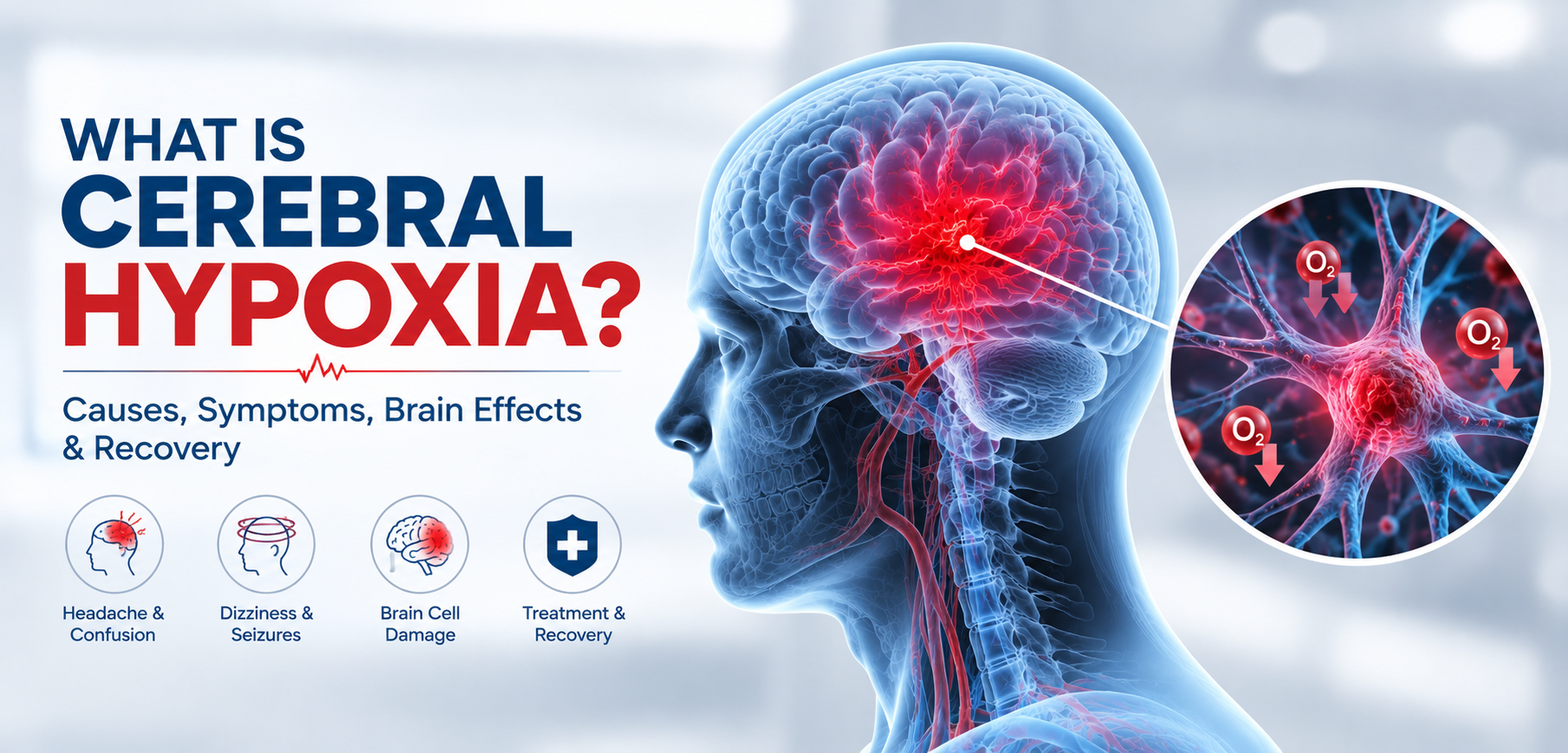
Oxygen deprivation, also known as hypoxia, plays an important role in brain injury following stroke. Improving oxygen availability to vulnerable tissues is an area of ongoing investigation.
Bioxytran, Inc. is researching investigational oxygen therapeutic technologies designed to study approaches for improving oxygen delivery during conditions associated with tissue hypoxia. These technologies remain under investigation and are not approved treatments for hemorrhagic stroke.
Future research may help improve understanding of how damaged brain tissue responds after stroke and how new therapeutic approaches could support recovery.
A hemorrhagic stroke is a medical emergency that requires immediate diagnosis and treatment. Recognizing symptoms such as sudden severe headaches, weakness, speech difficulties, and loss of coordination can help ensure faster medical attention.
While recovery depends on many factors, including the severity of bleeding and speed of treatment, emergency care, rehabilitation, and long-term risk management can significantly influence outcomes.
Continued advances in stroke research, including investigational approaches targeting hypoxia and tissue protection, may help shape future treatment strategies and improve care for people affected by brain injuries.
A hemorrhagic stroke occurs when a blood vessel in the brain ruptures, causing bleeding that damages brain tissue and disrupts normal function.
The most common causes include high blood pressure, brain aneurysms, vascular abnormalities, head trauma, blood-thinning medications, and bleeding disorders.
Early symptoms may include sudden severe headache, weakness, numbness, speech difficulty, vision changes, and loss of balance.
Treatment may include blood pressure medications, anticoagulant reversal agents, anti-seizure medications, and supportive recovery medicines depending on the patient's condition.
Some people recover completely, while others experience lasting effects. Recovery depends on factors such as stroke severity, treatment speed, rehabilitation, and overall health.