

The science of galactomannan.
What happens to glucose in the hours after a meal? One study tracked it after a bowl of rice. Another looked at what happens when galactomannan interacts with the enzymes that break down starch.
Follow the research →Three hours after a bowl of rice.
At Dartmouth-Hitchcock Medical Center, adults with type 2 diabetes ate the same portion of jasmine rice on three visits. The first time they ate the rice alone. On later visits they took a low dose of the study compound, then a higher one, before the meal. They continued their usual diabetes medication. A blinded glucose monitor tracked their glucose for three hours after each meal.
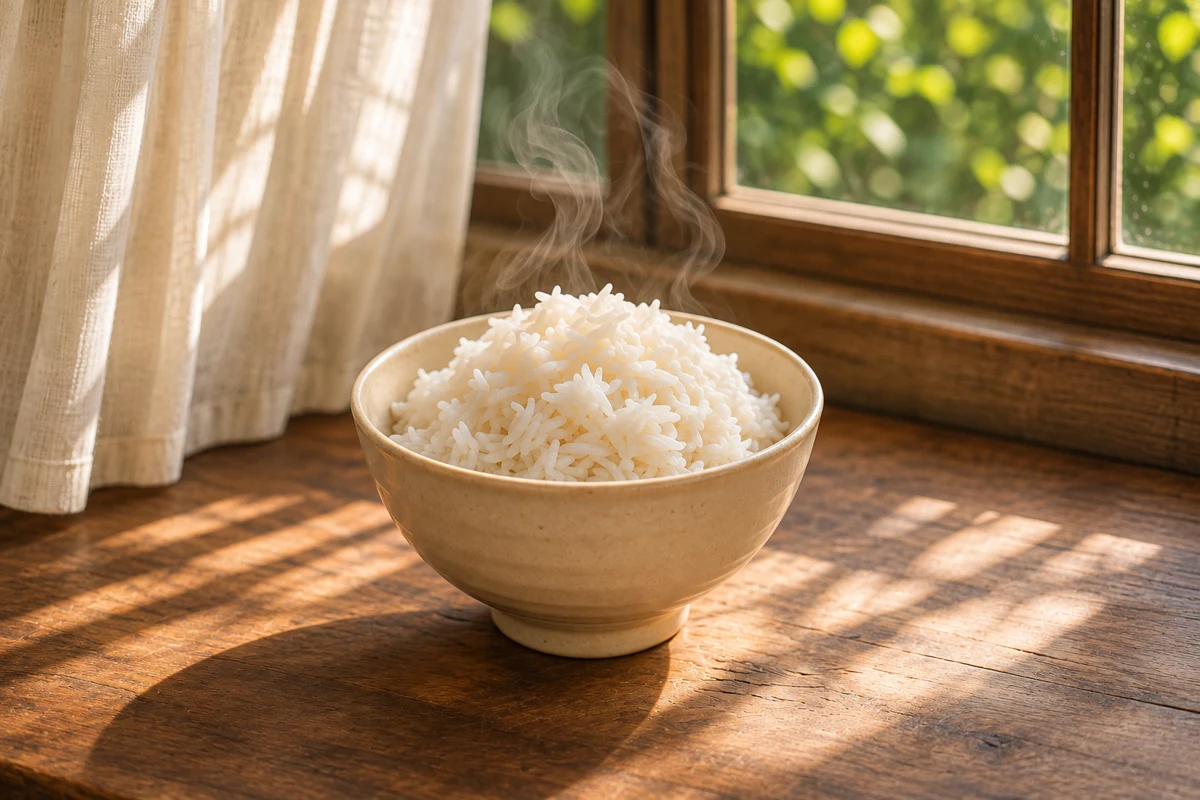
Illustrative image
The researchers measured the area under the glucose curve to capture both how high glucose rose and how long the rise lasted. Participants who responded tended to have larger rises after rice alone. For others, the rise was similar or larger with the compound. The study reported mild gastrointestinal side effects and no severe hypoglycemia.
A 2014 analysis of the same study examined the rise in glucose at the two-hour mark. Trask LE, Chaidarun SS, Platt D, Parkin CG. J Diabetes Sci Technol. 2014; 8(5): 1018–22. PubMed ↗ · PDF ↗
Watching starch disappear
Illustrative image


