Written by David Platt
The article explains that infections around childbirth may increase the risk of maternal stroke, particularly urinary tract infections and sepsis. It highlights the importance of rapid treatment because brain damage can worsen with every minute of reduced oxygen flow. Bioxytran presents BXT-25 as an investigational oxygen-carrying therapy designed to deliver oxygen to affected areas of the brain during the critical first hour after stroke. The article also encourages pregnant women to seek immediate medical attention if they experience possible stroke symptoms.
New research shows that infections could trigger stroke in pregnant women during child birth. Although maternal strokes are rare---only about 30 of every 100,000 pregnancies---the fatality rate is extremely high. Stroke is one of the major causes of maternal death in the United States and has been a topic of growing concern among doctors and researchers alike. A study, recently published in the journal Stroke, looked at data from almost 2.8 million women admitted to hospitals for delivery in California, New York, and Florida from 2007 to 2011, including 455 women who suffered stroke during their delivery process.
Results showed that women were 1.74 times more likely to suffer a stroke if they had any type of infection prior to being admitted, including urinary tract (UTI), respiratory, gastrointestinal, sexually transmitted, and sepsis, a life-threatening infection of the blood. Women with UTI were more than twice as likely to suffer a stroke and women with sepsis were more than ten times as likely to suffer a stroke. Researchers are urging women and their doctors not to ignore infection as a potential red flag for stroke in the period just prior to or after child birth. Especially since when it comes to stroke, time is of the essence.
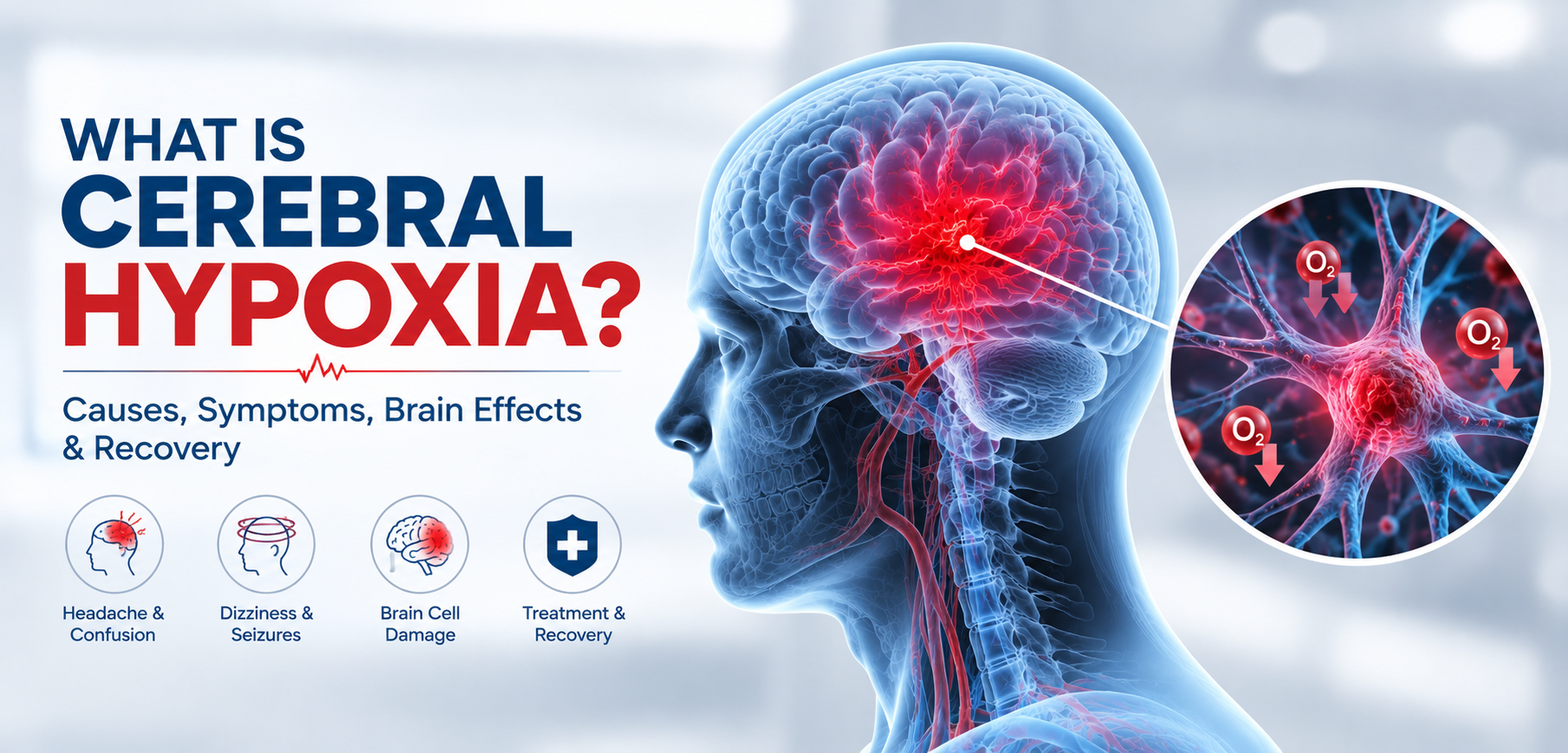
Every minute that the brain is starved of oxygen during stroke is cause for potentially irreversible brain tissue damage. Doctors often refer to the first hour after stroke as the critical “Golden Hour” whereby intervention restoring oxygen flow the affected area(s) of the brain can be most effective in preventing long-term brain damage. One such intervention that is currently in line to be tested is BXT-25.
BXT-25 is based on a molecule that has the ability to reverse oxygen deprivation by binding to oxygen molecules in the lungs and transporting oxygen to affected areas of the brain. The molecule can be injected intravenously and most importantly, it is meant to take effect within the critical golden hour following stroke. David Platt, Ph.D and CEO of Bioxytran Inc., stresses the time-sensitive nature of stroke--- “Time is literally brain tissue. The longer patients wait before the flow of oxygen to impacted areas is restored, the worse the outcomes can be.” Platt is enthusiastic about what is next for BXT-25.
Over the next 18 months, Bioxytran Inc. plans to submit an Investigational New Drug Application (IND) to the Food and Drug Administration (FDA) and begin clinical trials with brain stroke patients immediately after. Many believe that BXT-25 will be a game-changer in the prevention of brain damage following brain stroke and another potential life-saving tool for doctors to use when dealing with strokes that occur during pregnancy and birth due to infections or other causes. To read more and learn more about Bioxytran Inc. and BXT-25, please visit this page.
Mothers-to-be: if you think you are experiencing any symptoms of stroke such as headache, tingling or numbness of the face, arms, or legs, trouble seeing, or trouble walking (see the full list of possible symptoms here. Do not hesitate to bring your doctor into the picture immediately.
Wishing you and your child excellent health!
Yes, and it seems that infections before or around childbirth may nudge the risk higher for a mother’s stroke, according to research.
The study tied several kinds of illness to stroke, like urinary tract infections, respiratory infections, stomach infections, sexually transmitted infections, and sepsis. Some of this stuff can be kind of quiet at first
Because brain cells don’t do well when they are cut off from oxygen. They can lose oxygen pretty quickly, so early care might limit lasting harm later on, or at least help with recovery odds.
BXT-25 is an investigational oxygen therapy being tested for oxygen deprivation that occurs with stroke.
Sudden headache, face or body numbness, trouble speaking , blurred vision, dizzy feelings, or trouble walking should not be brushed off. If any of this happens, it should be treated seriously, right away.